
Daily Delights
Discover daily curated content on art, design, and development to fuel your creativity.
Loading section…
Discover daily curated content on art, design, and development to fuel your creativity.
There’s a cost that doesn’t show up in your velocity metrics when teams go deep on AI coding tools. Especially when its tedious to review all the code the AI generates. This cost accumulates steadily, and eventually it has to be paid - with interest. It’s called comprehension debt or cognitive debt.
 addyosmani.com·
For the New York Times Magazine this Sunday, I talked to Clive Thompson about one of the conversations that I'm having most often these days: What happens to coders in this current moment of extraordinarily rapid evolution in AI?
anildash.com·A lot to unpack here, but first let me stress the difference between the AI investment bubble bursting, the AI hype train derailing, and any chance that AI is going to disappear from your life. All three are big questions and each has a very different answer.
hughhowey.com·There has recently been a newfound excitement for pattern-based post-processing effects all over my timeline, as softwares such as Paper, Efecto, or Unicorn Studio are democratizing the use of shaders for both designers and developers. While some of these patterns originated as workarounds due to technical limitations we have since overcome, they now serve as an artistic direction to create distinct designs with self-imposed constraints.
blog.maximeheckel.com·Right now, something bigger than a seasonal slowdown seems to be happening. We take the temperature of the creative community, and some of their experiences may shock you.
creativeboom.com·
A collection of hand-picked dark-themed websites curated for designers.

Explore top web, interface, and interaction designs from X and beyond.

UI design inspiration delivered directly to your inbox.

Resources and tools to enhance your design workflow.

Platform curating curated content.

Details is a curated platform that offers inspiration and resources for UI design, showcasing beauti...
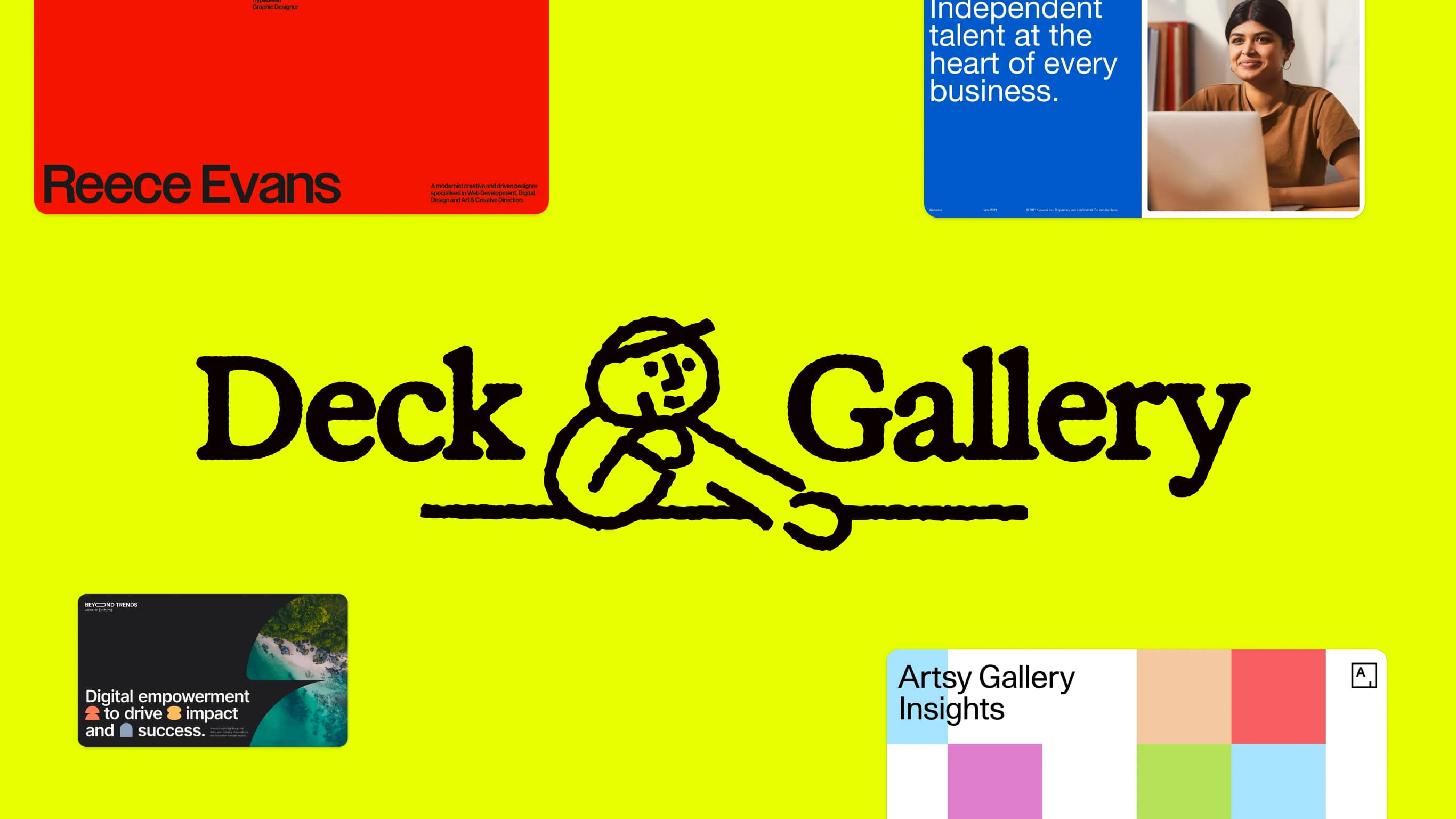
Deck.Gallery curates beautifully designed decks, slides, and guidelines.

Collection of Framer components updated daily for designers.


